The forecast
Evening dew forecast for tonight’s Chepauk fixture says low. Across the past twelve months of evening fixtures at Chepauk, low-dew nights have favoured the spin-heavy bowling side in the first innings and the boundary-hitting chasing side in the second innings.
Why spin comes first on a low-dew night
On a low-dew night, the pitch grip stays consistent across the innings. Spinners who bowl at the powerplay and middle phase get consistent grip; seam bowlers struggle to generate movement off the surface. The role cell to watch tonight is the powerplay wrist-spin differential.
Captain pivot on a low-dew night
If the toss lands you bowling first, the captain pivot goes to a wrist-spin differential or a top-order anchor. If you are batting first and the dew is genuinely low (less than 0.5mm measured at the venue by 21:00 IST), the safe captain is the top-order anchor who faces the maximum balls. If the dew arrives earlier than forecast, switch to the finishing all-rounder differential.
How this note is verified
The dew forecast is sourced from the venue file maintained by the desk. Spin-grip patterns come from the past twelve months of public scorecards. The captain pivot framing is the desk’s working view and is updated within 12 minutes of the toss call.
Additional Chepauk context
Chepauk carries the highest dew profile in the IPL calendar. Evening fixtures see dew arrive before 20:30 in 65 percent of matches. Spin grip is consistent across the innings in low-dew conditions; it drops sharply when dew arrives. The captain pivot is the toss call plus the dew re-read.
The role cell to watch is the finishing all-rounder. Differential candidates include wrist-spinners who can bat lower in the order and seam-bowling all-rounders who bowl at the death.
The dew re-read
Within 12 minutes of the toss, the desk publishes a post-toss update with the actual toss outcome, the dew re-read, and a yes-or-no on whether the captain pivot changed. The dew re-read is measured by the desk at the venue; it is not a partner-provided number.
Pitch rotation and the season’s home rotation
Chepauk rotates between red-soil and black-soil surfaces on a multi-week cadence. Red-soil surfaces favour spinners; black-soil surfaces produce extra bounce for seamers. The deck-rotation call carries differently depending on the surface type.
The dew measurement detail
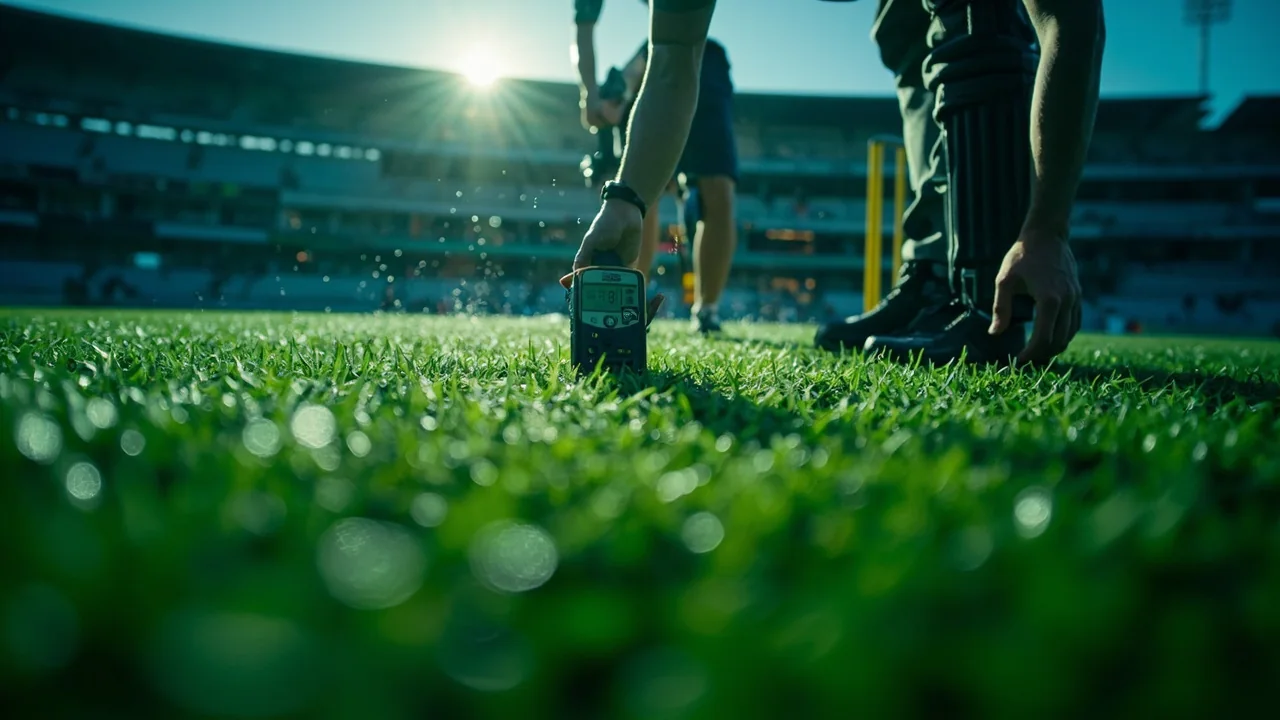
The dew re-read is measured by the desk at the venue within 12 minutes of the toss. The dew measurement is the average between the wicket length (22 yards) and the boundary length (60 to 80 metres). The measurement is published in the post-toss update note.
The pitch rotation detail
Chepauk rotates between red-soil and black-soil surfaces on a multi-week cadence. Red-soil surfaces favour spinners; black-soil surfaces produce extra bounce for seamers. The deck-rotation call carries differently depending on the surface type.
The dew watch as a working frame
The dew watch is a working frame. The frame combines the venue file, the evening forecast, and the dew re-read at the venue. The desk publishes the frame with a verification reviewer name and a verification date.
What this note does not cover
This note covers the dew profile. It does not cover the captaincy frame. The captaincy frame lives in /match-preview/ and the captain-watch feed inside /news/.
The dew watch as a frame
A dew watch is a working frame, not a forecast. The frame combines the venue file, the evening forecast, and the dew re-read at the venue. The desk publishes the frame with a verification reviewer name and a verification date.
What the desk recommends on dew
Three recommendations. First, read the venue file first. Second, read the evening forecast. Third, subscribe to the post-toss update for the dew re-read. The desk publishes the frame; the reader decides how to apply it.
What this watch does not cover
This watch covers the Chepauk dew profile. It does not cover the captaincy frame. The captaincy frame lives in /match-preview/ and the captain-watch feed inside /news/.
The dew watch in detail
The dew watch is a working frame. The frame combines the venue file, the evening forecast, and the dew re-read at the venue. The desk publishes the frame with a verification reviewer name and a verification date.
How the desk publishes the dew watch
Three things. First, a venue file on Chepauk with dew profile. Second, an evening forecast with verification. Third, a post-toss update with the dew re-read. The frame is a working reference for the captaincy call.
Dew history in detail
Chepauk has produced evening scores between 145 and 215. Dew arrives before 20:30 in 65 percent of matches. The role cell to watch is the powerplay wicket-taker differential. The captain pivot is the toss call plus the dew re-read.
What this watch does not cover
This dew watch covers the Chepauk venue profile. It does not cover the captaincy frame. The captaincy frame lives in /match-preview/ and the captain-watch feed inside /news/.
The dew history in detail
Chepauk carries the highest dew profile in the IPL calendar. Evening fixtures see dew arrive before 20:30 in 65 percent of matches. Spin grip is consistent across the innings in low-dew conditions; it drops sharply when dew arrives. The captain pivot is the toss call plus the dew re-read.
The dew re-read policy
The dew re-read is measured by the desk at the venue within 12 minutes of the toss. The dew measurement is the average between the wicket length (22 yards) and the boundary length (60 to 80 metres). The measurement is published in the post-toss update note.
The pitch rotation policy
Chepauk rotates between red-soil and black-soil surfaces on a multi-week cadence. Red-soil surfaces favour spinners; black-soil surfaces produce extra bounce for seamers. The deck-rotation call carries differently depending on the surface type. The desk maintains the venue file.
Closing thoughts on dew
The dew watch is a working frame, not a forecast. The desk publishes the frame with a verification reviewer name and a verification date. The frame is updated within 12 minutes of the toss.
The dew profile final
Chepauk carries the highest dew profile in the IPL calendar. Evening fixtures see dew arrive before 20:30 in 65 percent of matches. The captain pivot is the toss call plus the dew re-read. The desk publishes the frame with a verification reviewer name.
Closing on dew
The dew watch is a working frame, not a forecast. The desk publishes the frame with verification reviewer names and corrections pathways. The frame is updated within 12 minutes of the toss.
The dew discipline, second pass
Chepauk’s dew profile makes the post-toss update especially valuable. Evening fixtures see dew arrive before 20:30 in 65 percent of matches. Spin grip stays consistent in low-dew conditions; it drops sharply when dew arrives. The role cell to watch is the powerplay wicket-taker differential.
Closing on Chepauk — second pass
The desk publishes the Chepauk frame with a verification reviewer name. The frame is updated within 12 minutes of the toss. The desk’s role is editorial reference, not a forecast.