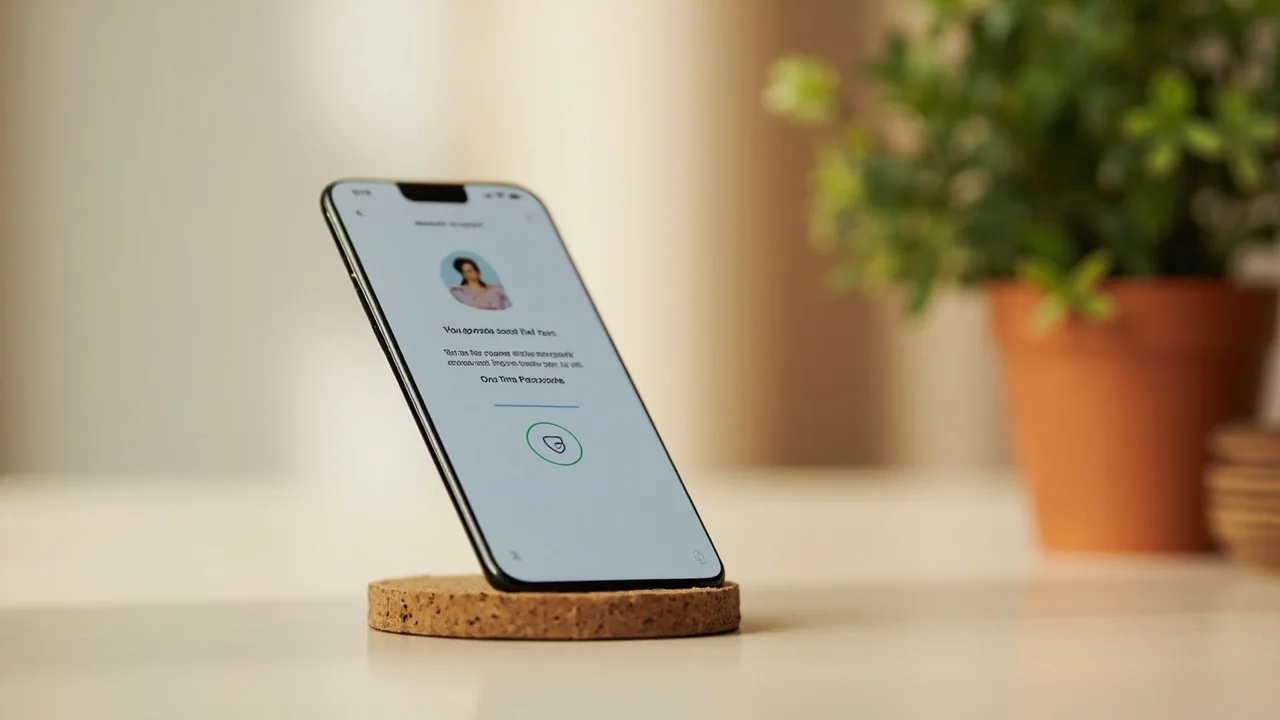
What a referral code is
A referral code is a partner-issued identifier carried by an existing user. New users can apply the code at sign-up to unlock a benefit (usually a bonus credit). Existing users also benefit when the new user joins a paid contest, depending on the partner operator’s terms.
How to apply a referral code at sign-up
- Open the partner operator app or web sign-up flow.
- Look for “Have a referral code?” during sign-up.
- Enter the code exactly as shared.
- Confirm the bonus credit appears in your account before completing sign-up.
How to share your own referral code
- Open the partner app and locate “My Referrals” or similar.
- Copy your unique link or code from the screen.
- Share it with friends, family, or social channels.
- Wait for the partner operator to confirm the referral benefit (typically 24 to 48 hours after the new user joins).
Eligibility rules per state
Referral bonuses follow the partner operator’s terms. Common eligibility checks include: the new user must be 18+, must complete full KYC, must be located in a state where real-money contests are permitted, and must complete a first deposit within the validity window.
| Rule | Detail |
|---|---|
| First-deposit threshold | Some operators require a minimum first deposit before the referral benefit is unlocked. |
| State eligibility | Referral benefits may be unavailable in restricted states. |
| Validity window | Referral bonuses typically expire 30–90 days after the code is issued. |
| Anti-fraud | Self-referral, multiple accounts, and shared-payment-method abuse are flagged by partner operators. |
How the desk treats referrals in editorial writing
The desk does not promise a return from any referral programme. We do not publish referral-benefit values unless the partner operator has confirmed them in writing and the verification date is recorded.
What the desk will not publish
The desk will not publish a guaranteed return from any referral programme. The desk will not endorse a referral programme framed as financial advice. The desk does not collect or process referral benefit values; the partner operator is the source of truth.
Common referral scenarios
Friend-to-friend. Family-to-family. Influencer-to-audience. In each scenario, the partner operator’s anti-fraud policy applies: self-referral is blocked, multiple accounts are flagged, and shared-payment-method abuse is detected. The desk recommends verifying the partner operator’s rules before sharing.
Referral versus affiliate
A referral code is a user-to-user promotion. An affiliate code is a publisher-to-audience promotion. Both unlock benefits; the eligibility and benefit values differ by partner operator. The desk publishes affiliate links at the foot of editorial pages with a disclosed commercial relationship.
What the desk clears up about referrals
A referral code is a partner-issued identifier. The benefit is governed by the partner operator’s terms. The desk publishes the rules; the partner operator is the source of truth for any specific claim.
What is and what is not a referral
A referral is a user-to-user promotion. An affiliate is a publisher-to-audience promotion. Both unlock benefits; the eligibility and benefit values differ by partner operator. The desk publishes affiliate links at the foot of editorial pages with a disclosed commercial relationship.
The three rules the desk keeps
First, never publish a referral benefit value without partner operator confirmation. Second, never endorse a referral programme framed as financial advice. Third, never collect referral benefit values — the partner operator is the source of truth.
The desk’s referral policy
The desk publishes referral codes only with a verification date and a partner operator confirmation. The desk does not endorse referral programmes framed as guaranteed wins. The desk treats referral codes as a product feature of the partner operator, not as an editorial recommendation.
The desk’s policy on referrals
The desk publishes referral codes only with a verification date and a partner operator confirmation. The desk does not endorse referral programmes framed as guaranteed wins. The desk treats referral codes as a product feature of the partner operator, not as an editorial recommendation.
The desk’s referral reading
The desk publishes referral codes only with a verification date and a partner operator confirmation. The desk does not endorse referral programmes framed as guaranteed wins. The desk treats referral codes as a product feature of the partner operator, not as an editorial recommendation.
Common referral scenarios
Friend-to-friend. Family-to-family. Influencer-to-audience. In each scenario, the partner operator’s anti-fraud policy applies: self-referral is blocked, multiple accounts are flagged, and shared-payment-method abuse is detected. The desk recommends verifying the partner operator’s rules before sharing.
Referral versus affiliate
A referral code is a user-to-user promotion. An affiliate code is a publisher-to-audience promotion. Both unlock benefits; the eligibility and benefit values differ by partner operator.
What the desk will not publish on referrals
Win-rate predictions. Guaranteed-outcome claims. Affiliate-only referrals framed as financial advice. The desk publishes editorial reference; the partner operator is the source of truth.
The referral cycle in detail
Referral cycle: existing user copies unique link → shares with new user → new user applies at sign-up → both users receive benefit (where eligible) → partner operator confirms referral. The cycle runs in 24 to 48 hours under normal load.
The desk’s three referral asks
First, verify the partner operator’s published rules before sharing. Second, treat the referral benefit as a product feature, not a financial opportunity. Third, report any unusual claim patterns to the partner operator.
Anti-fraud rules the partner operator keeps
Self-referral is blocked. Multiple accounts are flagged. Shared-payment-method abuse is detected. The desk publishes reference on these rules; the partner operator is the source of truth for any specific question.
What the desk is not
The remaining material does not cover affiliate programmes. Affiliate programmes are publisher-to-audience promotions and live at the foot of editorial pages with a disclosed commercial relationship. The page focuses on user-to-user referral codes only.
The referral discipline
The desk publishes referral codes only with a verification date and a partner operator confirmation. The desk does not endorse referral programmes framed as guaranteed wins. The desk treats referral codes as a product feature of the partner operator, not as an editorial recommendation.
The three referral asks
First, verify the partner operator’s published rules before sharing. Second, treat the referral benefit as a product feature, not a financial opportunity. Third, report any unusual claim patterns to the partner operator.
Anti-fraud policy
Self-referral is blocked. Multiple accounts are flagged. Shared-payment-method abuse is detected. The desk publishes reference on these rules; the partner operator is the source of truth for any specific question.
Closing thoughts on referrals
The desk treats referral programmes as a partner operator product feature. The desk publishes editorial reference; the partner operator is the source of truth.
The referral discipline final
The desk publishes referral codes only with a verification date and a partner operator confirmation. The desk does not endorse referral programmes framed as guaranteed wins. The desk treats referral codes as a product feature of the partner operator, not as an editorial recommendation.
Closing on referrals
The desk treats referral programmes as a partner operator product feature. The desk publishes editorial reference; the partner operator is the source of truth. The desk never collects referral benefit values.