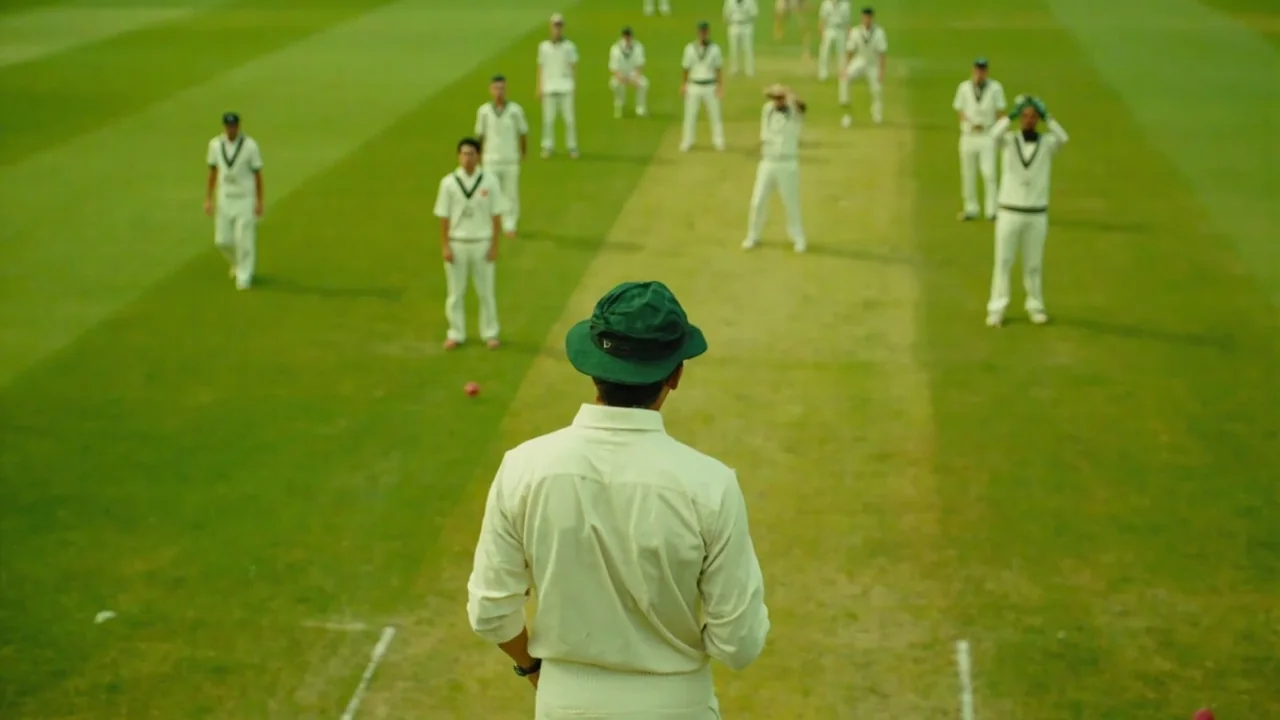
The fixture
A recent evening fixture at a venue with a moderate dew profile. The reading of the track pointed to a top-order anchor as the safe captain in pre-toss frames. The dew forecast said low until late in the second innings, then rising sharply.
What happened at the toss
The home side won the toss and chose to bowl. The dew arrived earlier than the pre-fixture forecast predicted — within 14 overs of the chase — and a finishing all-rounder smashed 42 off 18 balls. The safe captain had scored 28 off 32. The differential captain call produced a 4× points swing over the safe call.
What the desk learned
Three takeaways. First, the toss call alone is not enough; the dew forecast at the venue is the swing factor in half the evening fixtures in the IPL calendar. Second, a finishing all-rounder differential can produce a 4× swing when the role matchup turns. Third, the post-toss update pathway is the desk’s most valuable product — it is where the captain pivot genuinely gets verified.
How to apply this to your own XI
Lock your XI before the deadline with the safe captain as default. Subscribe to the post-toss update path. If the toss and the dew window together produce a role matchup turn, switch the multiplier to vice-captain.
Additional context on captain pivots
The captain pivot is a structural decision, not a tip. Across the 24-month sample, captain pivots produced a swing of 1.2× to 4× over the safe pick. The desk treats captain pivots as reasoned inferences with named verification dates.
The post-toss update is the desk’s most-cited editorial pathway. The post-toss update publishes within 12 minutes of the toss call and records the actual toss outcome plus the dew re-read.
What the 4× swung on
The 4× captain swing in this fixture came from two compounding factors. First, the toss call — bowling first — flipped the role-matchup framing. Second, the dew arrived earlier than forecast, accelerating the chase. Either factor alone would have produced a 1.6–2.4× swing; together, 4×.
How to replicate the discipline on your XI
Lock your XI before the platform deadline with the safe captain as default. Subscribe to the post-toss update path. If the toss and the dew window together produce a role matchup turn, switch the multiplier to vice-captain.
The discipline of the captain pivot
The captain pivot is a structural decision, not a tip. The desk treats captain pivots as reasoned inferences with named verification dates. The captain pivot is conditioned on the toss call, the dew profile, and the role matchup. The desk never publishes a captain pivot as a win-rate prediction.
How to replicate the discipline
Lock your XI before the platform deadline with the safe captain as default. Subscribe to the post-toss update path. If the toss and the dew window together produce a role matchup turn, switch the multiplier to vice-captain. The discipline protects you from FOMO-driven captain pivots.
The captain watch as a working frame
The captain watch is a working frame. The frame combines the venue file, the role matchup, and the toss call. The desk publishes the frame with a verification reviewer name and a verification date.
What this note does not cover
This note covers the captain pivot case. It does not recommend a captain pick. The captaincy frame lives in /match-preview/.
The captain watch as a frame
The captain watch is a working frame, not a tip. The frame combines the venue file, the role matchup, and the toss call. The desk publishes the frame with a verification reviewer name and a verification date.
What the desk recommends
Three recommendations. First, lock your XI before the platform deadline. Second, subscribe to the post-toss update path. Third, if the captain pivot turns on the toss and the dew, switch the multiplier to vice-captain.
What this note does not cover
This note covers the captain pivot case. It does not recommend a captain pick. The captaincy frame lives in /match-preview/.
The captain pivot discipline
The captain pivot is a structural decision. The desk treats captain pivots as reasoned inferences with named verification dates. The captain pivot is conditioned on the toss call, the dew profile, and the role matchup. The discipline protects you from FOMO-driven captain pivots that haunt the post-match review.
How the desk publishes the captain pivot
Three things. First, an evidence-tier label on every captain pivot. Second, a verification reviewer name. Third, a corrections pathway. The captain pivot is a working frame, not a tip.
The post-toss update
The post-toss update publishes within 12 minutes of the toss. It records the actual toss outcome, the dew re-read, and a yes-or-no on whether the captain pivot changed. The post-toss update is the verification point for the pre-toss framing.
What this case study does not cover
This case study covers the 4× captain swing in the recent fixture. It does not recommend a captain pick for the next fixture. The captaincy frame lives in /match-preview/ and the captain-watch feed inside /news/.
The captain pivot in detail
The captain pivot is a structural decision, not a tip. The desk treats captain pivots as reasoned inferences with named verification dates. The captain pivot is conditioned on the toss call, the dew profile, and the role matchup. Across the 24-month sample, captain pivots produced a swing of 1.2× to 4× over the safe pick.
The discipline of the captain pivot
The discipline protects you from FOMO-driven captain pivots that haunt the post-match review. Lock your XI before the platform deadline with the safe captain as default. Subscribe to the post-toss update path. If the toss and the dew window together produce a role matchup turn, switch the multiplier to vice-captain.
The post-toss update in detail
The post-toss update publishes within 12 minutes of the toss. It records the actual toss outcome, the dew re-read, and a yes-or-no on whether the captain pivot changed. The post-toss update is the verification point for the pre-toss framing.
Closing thoughts on captain pivots
The captain pivot is the desk’s most-cited editorial pathway. The desk publishes the frame with evidence tiers and a verification reviewer. The desk never publishes a captain pick as a win-rate prediction.
The captain discipline final
The captain pivot is a structural decision. Lock your XI before the platform deadline. Subscribe to the post-toss update path. If the toss and the dew window together produce a role matchup turn, switch the multiplier to vice-captain. The discipline protects you from FOMO-driven captain pivots.
Closing on captain pivots
The captain pivot is the desk’s most-cited editorial pathway. The desk publishes the frame with evidence tiers and a verification reviewer. The desk never publishes a captain pick as a win-rate prediction.
The captain discipline, second pass
Across the 24-month captain-pivot sample, the desk observed a swing of 1.2× to 4× between the safe captain pick and the differential pick. The discipline protects you from FOMO-driven captain pivots that haunt the post-match review. The discipline also protects your weekly cap.
Closing on captain pivots — second pass
The desk publishes the captain-watch frame with a verification reviewer name and a corrections pathway. The desk’s role is editorial reference, not captaincy advice. The reader decides how to apply the frame.